“The meaninglessness of suffering, not the suffering, was the curse
that lay over mankind so far.” Nietzsche writes that man does not
deny suffering — he wills it, even seeks it out, provided he is
given a meaning for it. If pain has a purpose, it becomes bearable.
If it does not, it becomes unbearable. This idea feels uncomfortably
relevant when thinking about how sadness is treated in art and
online culture.
Mina Le once discussed how Tumblr made being sad feel essential to
being interesting. Sadness wasn’t just an emotion. It was depth. It
was personality. Mental illness was aestheticised, and sadness was
conflated with creativity.
So if art glamorises suffering and mental illness, is it moral to
create it?
In ‘On the Genealogy of Morality’, Nietzsche makes the case that
cruelty used to be enjoyable to people. He contends that people have
always enjoyed cruelty because it stems from archaic social
contracts that required an eye for an eye in return for any harm.
Public executions and tortures served as entertainment. But as
society became “civilised,” those instincts had to be regulated. The
pleasure in cruelty did not disappear. It turned inward. Guilt and a
bad conscience were born. We internalised punishment. We became
cruel to ourselves. Enjoyment from punishing others was redirected
into enjoyment from punishing ourselves.
Viktor Frankl, in ‘Man’s Search for Meaning’, states something
similar. He claims that suffering ceases to be suffering when it
finds meaning. In a concentration camp, what haunted him was not
survival itself but whether the dying around him had meaning. If
suffering had no meaning, survival itself felt pointless. Art and
personal expression can operate similarly: they provide meaning to
damage. BoJack Horseman’s “Good Damage” episode illustrates this:
Diane believes her trauma must produce a profound memoir, or it
remains mere damage. The idea of “good damage” reframes suffering as
valuable when it generates meaning or insight.
In ‘Girl, Interrupted’, Susanna Kaysen is suicidal, but she is
attractive, poetic, and romantically pursued. In American Horror
Story, Tate instructs Violet on how to injure herself severely, and
viewers romanticise their relationship.
Some studies appear to support the “troubled artist” trope. Ludwig
(1995) and Post (1994) found high rates of psychiatric difficulty
among writers and artists. But definitions of “creativity” and
“mental illness” vary wildly. More research suggests that mentally
ill individuals may be drawn to art as catharsis, not that illness
makes them inherently more creative.
Psychological research also explains the appeal of sad art. Hedonic
motives suggest that sad music can feel beautiful or calming.
Self-verification theory suggests that people seek emotions that
confirm their existing self-concept. For depressed individuals, sad
music may reinforce a negative self-schema. For others, it may
simply reflect a temporary mood.
This complicates the morality of sad art.
Sad art can provide catharsis. It can help people feel less alone.
It can offer nostalgia or calm. But it can also reinforce harmful
identities, especially when sadness becomes aspirational.
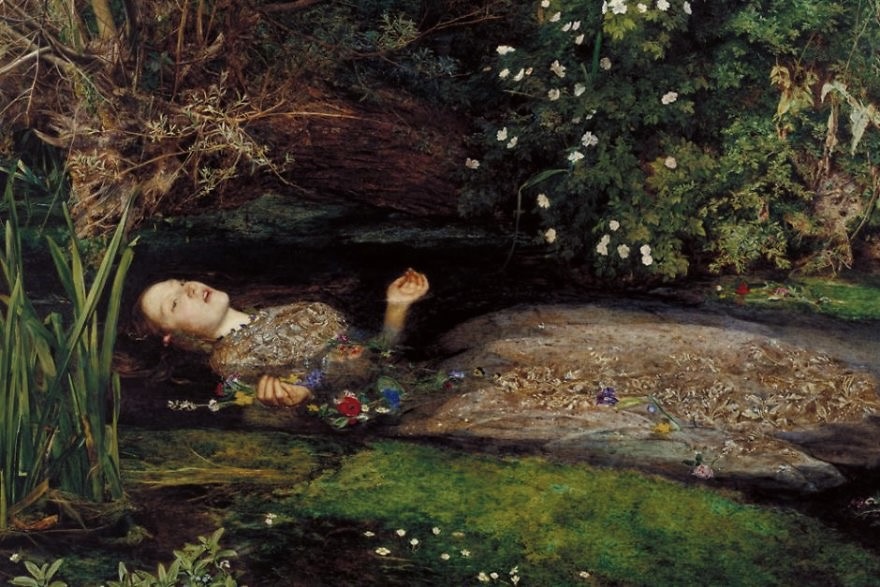
The romanticisation of illness is not new. In the 1800s,
tuberculosis was aestheticised as the disease of the beautiful,
fragile artist — the “faded flower.” Once medical knowledge advanced
and the mystery disappeared, so did the charm. Today, physical
illness is demystified. Mental illness still carries mystery, and
mystery leaves room for aesthetic projection.
Maybe as knowledge increases, the romanticism will fade.
In the end, context and interpretation determine whether tragically
beautiful work is morally acceptable. Suffering does not impart
creative excellence, nor is pain intrinsically good. When art
addresses pain in an ethical way, it recognises human frailty rather
than glorifying it. While sadness is an unavoidable and significant
emotion, pursuing it as a style or identity choice can inadvertently
promote unhealthy beliefs. Thus, its effect, especially on
susceptible and vulnerable audiences, needs to be examined.
The Romanticisation of Mental Illness and the Morality of “Tragically Beautiful” Art
FEBRUARY 21, 2026
News Column